

From Scraps to Soil: Creative Compost Bin Designs You Can Make at Home
Composting is one of the best ways to reduce your carbon footprint and make a difference in your local environment. Food is a top-wasted resource in modern society, and chemical fertilizers are overused. These factors cause soil health to decline and emissions to skyrocket. Contribute to a better planet by making an easy DIY compost bin. Pick one of these ideas to get started.
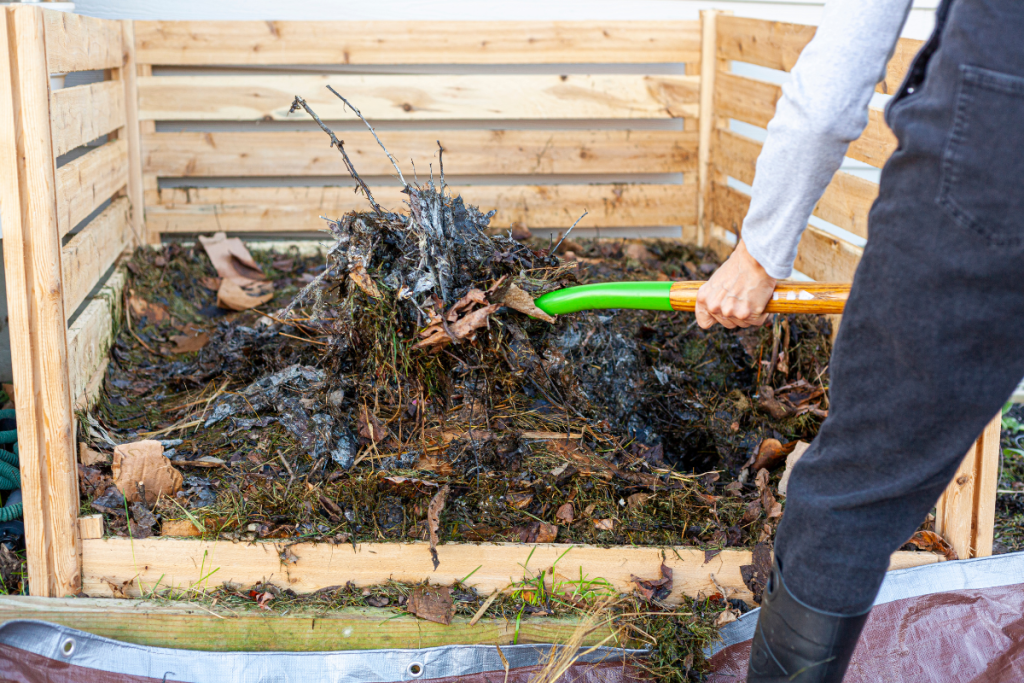
Three-Bin Pallet Bay
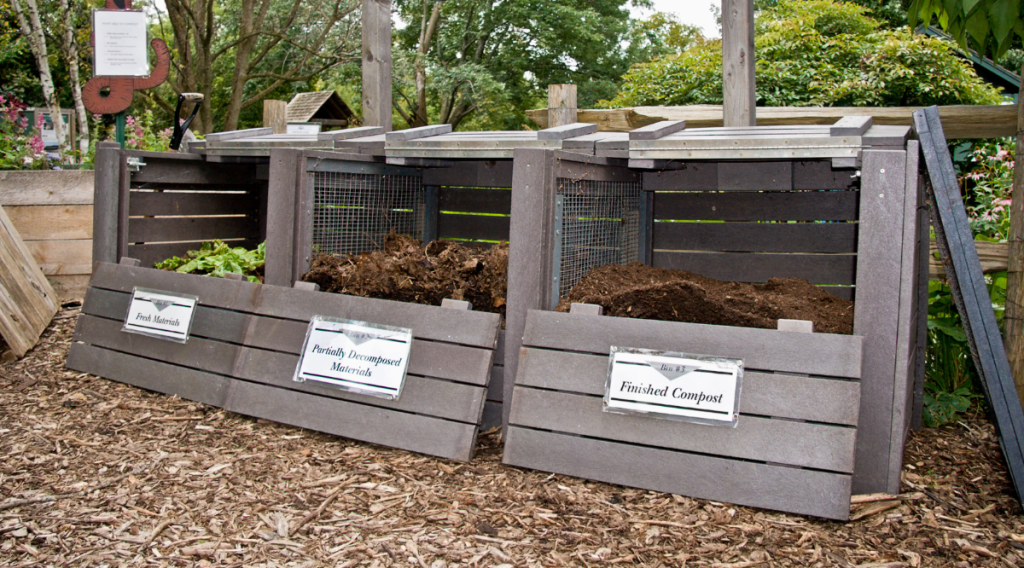
Many composters use a three-bin Pallet Bay to optimize space as scraps decompose. The first bay is where you add new scraps, the second contains actively decomposing materials, and the third has completed compost ready to use. Each bay should have plenty of room, so pallets provide a great template.
Find discarded pallets from hardware stores or community groups. Nail them together to make boxes, and line the fronts with chicken wire or similar material if you want something more malleable. Since most of the wood is already connected, assembling the parts takes less work.
Stacking Tires
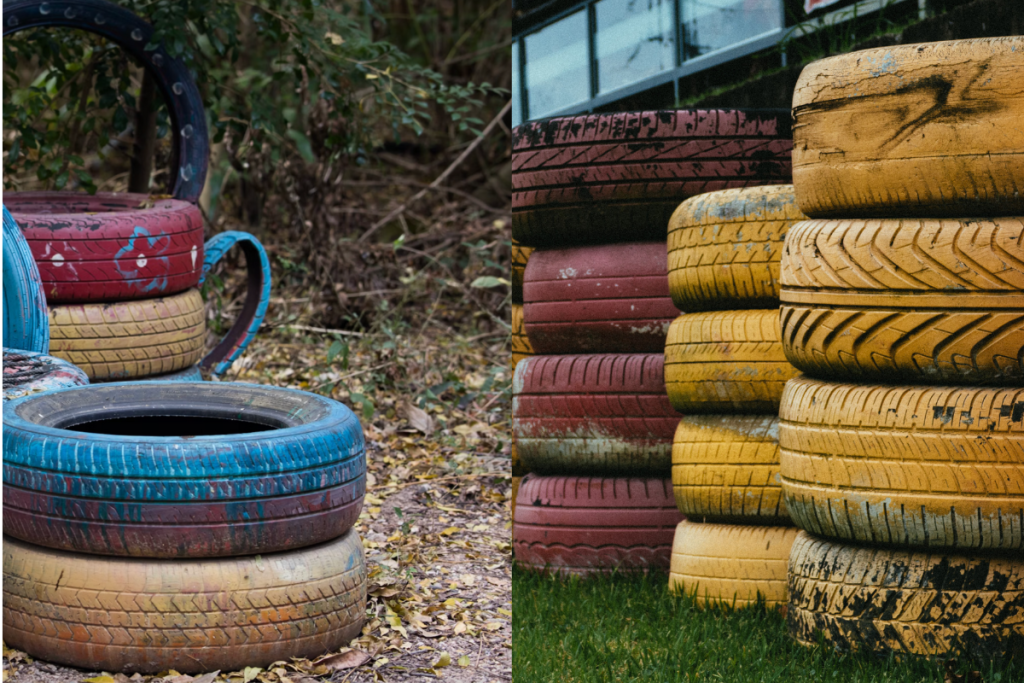
Spare tires make nice homes for compost. Around 38% of food never gets eaten, so if you have anything left after dinner, a stack of tires could make it usable again. You also prevent used tires from going to landfills.
Stack and attach the tires to create a tiered system, using the natural indentations in the tires to guide your green and brown matter layers.
Chicken Wire and Straw Bale Compost Bin
If you already have chickens, this is the best solution. Extra wire and a little stray straw go a long way. It makes one of the most unique-looking compost bins because you can see the layers of work that went into it from the sides. It is thrifty yet practical because it is well-contained compared to other open-air composting methods.
Plastic Crate or Trash Can Compost Bin
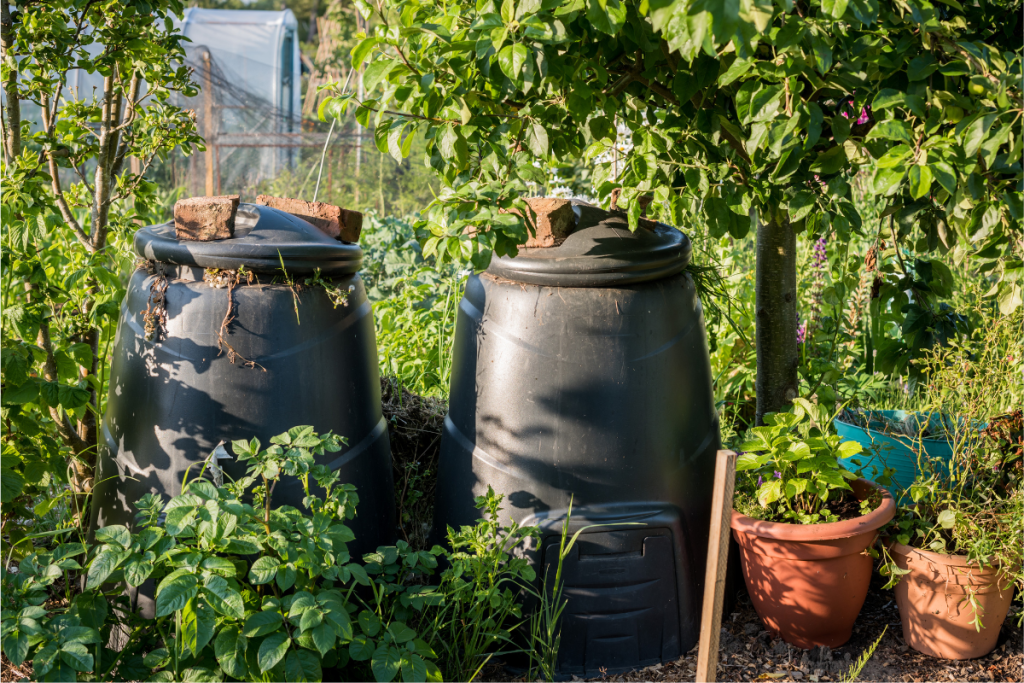
You may have a spare plastic crate or two harboring old, unused clothes in your closet. Donate the clothes or recycle the textiles and repurpose the bins into your new composters. All you need is a drill to make holes in the lid for ventilation. Then, layer matter as normal.
This is also an affordable option compared to electronic countertop composters. It is effective and capable of breaking down consumer products made of biodegradable materials. For example, straws are 4% of total plastic waste, so if you get plant-based ones, you can put them in the plastic crate to break down.
You can also vermicompost with this method by using a multitiered system. Layer two bins with drilled holes on each other, adhering them together. This adds drainage and more ventilation so worms can thrive.


Compost Tea Brewer
Compost tea is the liquid by-product of the decomposition process. It contains nutrients and microbes to support strong soil with high water retention. Gardeners and farmers can use this in many ways, including incorporating it into irrigation systems or spraying it to protect plants from diseases.
Creating a compost tea spigot is a creative way to get the most out of any compost setup. Place one near the bottom of the compost where it drains, using a simple lever to open and close the valve.
Woven Willow Compost Bin
You could make something more aesthetically pleasing to compensate for the decomposing food. Weaving willow branches together forms a rustic yet structurally sound container for compost. Be creative and find multiple willow shades to give it even more pizzazz and texture. You can also customize the shape to fit into any space in the yard.
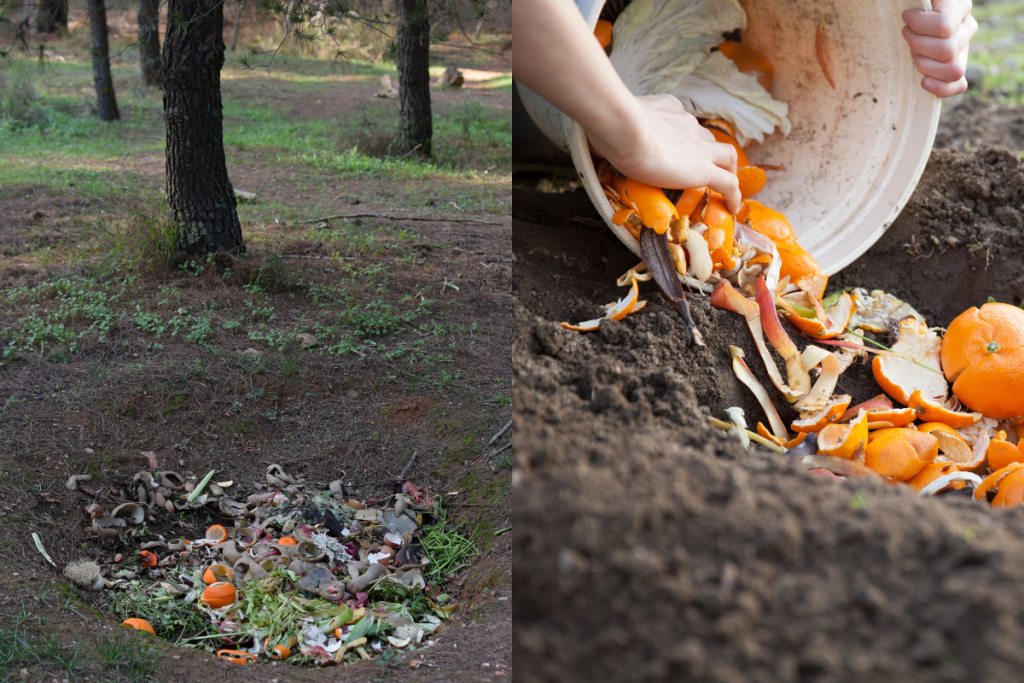
Trench Composting
If you prefer a composting system that is more discreet, trench composting is the easiest technique with the least amount of setup time. Its open nature makes throwing in food scraps more accessible than methods with lids and covers.
Eventually, you cover it with soil layers until the Earth naturally transforms it into nutrient-dense compost. It feeds your property directly instead of needing you to spread it around.
Hügelkultur Compost Beds
Hügelkultur is a gardening method from Germany using dirt and grass mounds to decompose debris. You can construct them above ground where they rise like large speed bumps, or you can make them less obvious by digging a trough and filling it to form a small mound.
All you need is a shovel and some space to get started. Get creative by planting flowers on top and creating a unique garden installation.
Creative Composting Solutions
Everyone will compost differently based on their needs, land and abilities. Fortunately, there are seemingly infinite solutions so everyone can participate in recycling food waste. If you want to get started, pick one option to experiment with. It could inspire a homestead with five composting solutions around the property.

GREEN HOME’s founder and managing executive Catherine Morris joined John Perlman on 702’s Afternoon Drive to chat all things composting.
🎧 Listen here for tips on how to get started to why it’s such a powerful way to reduce waste and enrich our soil. 💚

This is a guest blog post by Jane Marsh.
Jane Marsh is the Editor-in-Chief of Environment.co. She covers all things related to the environment, sustainability and renewable energy.