

The Astonishing View That Changed Everything — and Still Does
Today is Earth Day.
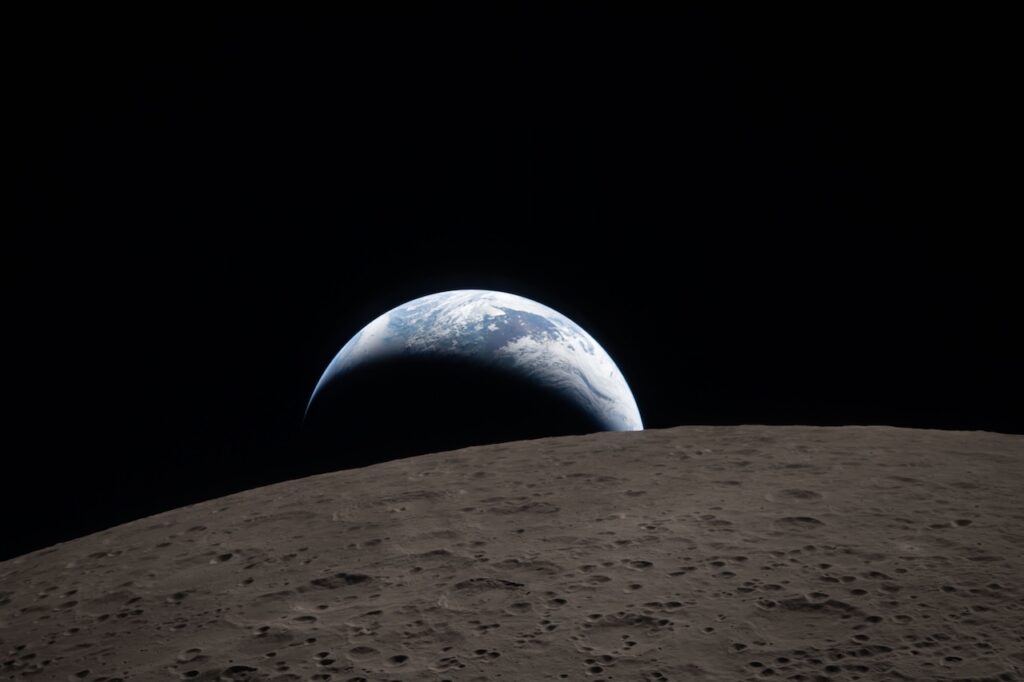
Earlier this month, NASA shared the remarkable image above (among others) of a crescent Earth setting behind a lunar horizon, taken from Artemis II.
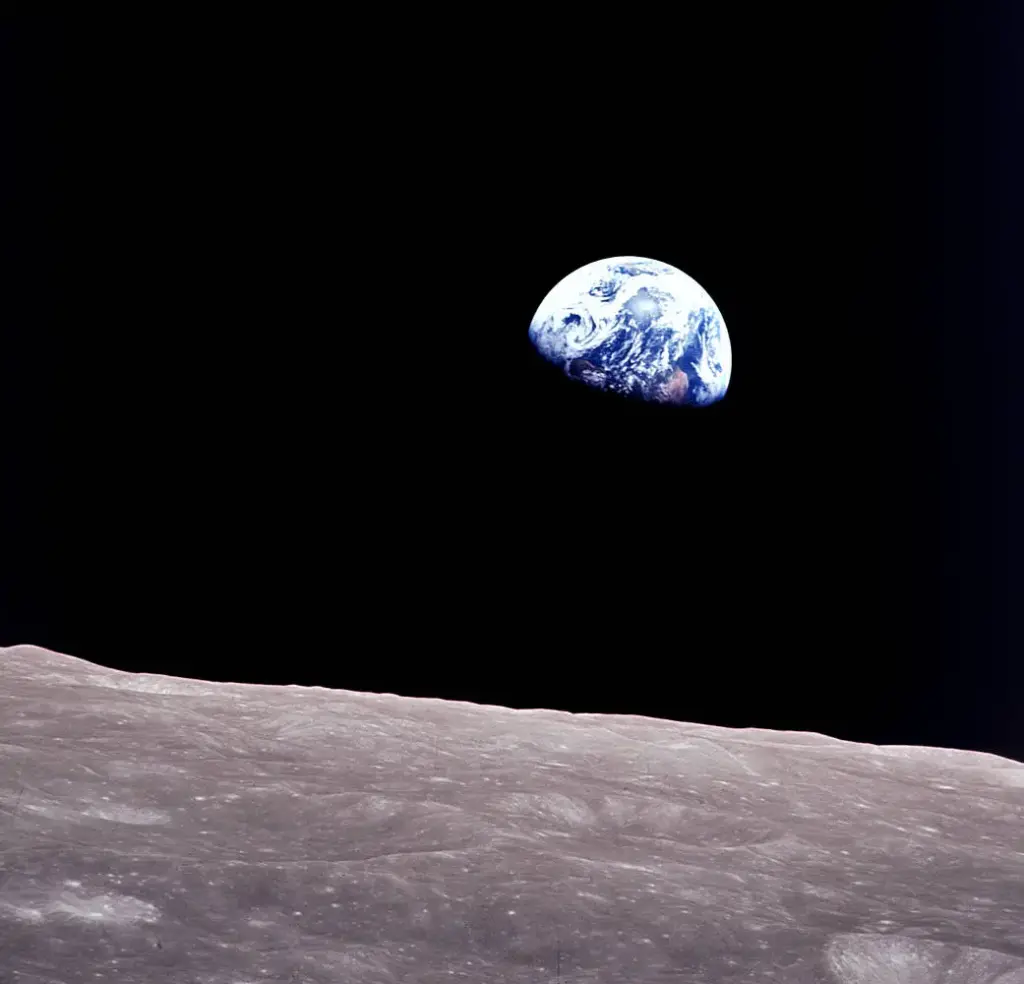
It calls to mind one of the very first images humans saw of our living planet— Earthrise, the iconic ‘blue marble’ captured from Apollo 8 by astronaut William Anders 24 December 1968.
Seeing our whole Earth from the perspective of space had a profound effect on humanity, and was a huge inspiration for the environmental movement and the first Earth Day on 22 April 1970. Fifty years after taking the photo, Anders observed: “We set out to explore the Moon and instead discovered the Earth.”
A devastating oil spill off the coast of California was another major motivation behind the first Earth Day. Today, oil spills continue to occur, together with numerous other environmental crises — from the toxic impacts of ‘forever chemicals’ like PFAS, to the plastic pollution crisis and the environmental impacts from wars, to name just a few.
The questions that Earth Day brings into focus remain critical. How can we transform our relationship with our marbled, blue home planet? How can we live in ways that keep her vibrant and healthy?
Earth Day is about the power of collectively showing up and taking individual steps to look after our planet.
The Earth Day website outlines the power of ordinary, daily actions:
Environmental progress is built through everyday action—from communities protecting ecosystems to innovators advancing solutions. Clean air, safe water, and climate resilience aren’t optional—they’re essential. For Earth Day 2026, we’re mobilizing at scale. Every action counts. Every voice matters.
Every step we take to look after our planet adds up to a much greater whole.
Compostable food packaging is but one small step towards a healthier system. Composting our organic waste is another. As are steps towards conserving energy, cleaner energy, greener chemistry and more circular systems.
The challenges facing our planet have grown enormously since 1970. But so has our knowledge and insight. We’ve said it before, and it bears repeating: we have the tools to build better, healthier systems.
Inspiration ignited by the immense beauty of our living planet can propel us forward, like it did 56 years ago. Like it does every day.
It can be helpful, and hopeful, to ponder the question posed by climate scientist Ayana Elizabeth Johnson: “What if we get it right?” Imagine the day when our collective actions to care for our soils, water, air, ecosystems and climate add up to the tipping point where we step into the Earth we know is possible.